Hometown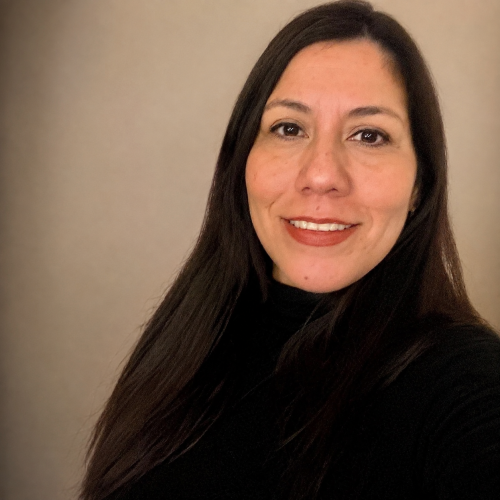
Managua, Nicaragua
Undergraduate degree and university
Political Science, Ave Maria University
Employer
Middleton Cross-Plains Area School District
Job title
Program Support Bilingual Resource Teacher
What drew you to pursue a master’s degree from UW–Madison?
What drew me in was the university’s prestigious and rigorous reputation in the field of education. I wasn’t just looking for a degree. I wanted something that would push my thinking, actually impact my work with students and families, and also fulfill me on a personal level. The program aligned with my long-term goals in leadership, especially around equity. Being at UW–Madison also meant learning from people who are currently deeply connected to the field and to real systems-level change. UW has a very useful, rich network you can depend on for life.
What was your most meaningful experience/impactful class or faculty member during your time with the WIPP program?
One of the most meaningful experiences in the Wisconsin Idea Principal Preparation program was the community equity audit. It pushed me to look beyond the school building and really understand the community I serve with a completely different lens: its assets, its challenges, and the systems that either support or create barriers for families, and it made me think about ways to establish real partnerships that can lead to systemic change. It made equity real, not just something we talk about in theory. Along with the ICS modules and Instructional Rounds, the audit helped me think more deeply about root causes and how leadership decisions have a long term impact in the lives of students.
What skills did you learn about and have you found most useful? Can you describe them and how they’ve helped you?
I’ve gained a stronger ability to analyze systems, not just individual student and teacher outcomes. Skills like leading with data, facilitating adult learning, and having difficult conversations with purpose have been huge. During my field experience, I learned about the SBI (Situation, Behavior, Impact) framework, for example. This has helped me give more direct and constructive feedback. I’ve also become more confident in coaching teachers (especially around literacy and supporting multilingual learners and students with disabilities) because I now ground my work in both research and equity-centered practices.
What advice do you have for someone who is pursuing this degree?
Be ready to do the work, not just complete assignments. This program will challenge how you think, especially around equity and leadership. I would also say to start the asynchronous work as early as you can. It makes a big difference once the workload and readings start piling up. Stay connected to your “why.” If you’re doing this just to move up, it will feel heavy. But if you’re doing it because you’re passionate about making a real impact, especially for students who are often underserved, then it’s worth it. And lean into your cohort. These will become your friends for life.
Anything else that’s important about yourself or your studies that you want to share?
As a bilingual educator and immigrant, I carry my lived experience into this work. I’m proud of my roots, and that perspective has shaped how I approach leadership, especially when it comes to advocating for underserved populations. This program helped me name things I’ve experienced for years and gave me the tools to act on them in a way that I can make a difference. I also want others to know that if they’re doubting they can do this… just give yourself a chance. You can do this! You’ll be surprised at how much you’re capable of handling and achieving. ¡Sí se puede! ¡Sigamos pa’ adelante! (Yes, you can! Let’s keep moving forward!)